ALEJANDRA LEIBOVICH
Press Release
Miami, FL - March 2026
At a moment when contemporary art is increasingly shaped by artificial intelligence, time-based media, and technological acceleration, Argentine-born artist Alejandra Leibovich is pursuing a materially grounded practice that privileges physical presence, tactility, and the temporality of the hand.
Leibovich’s position is distinct in that her turn toward painting does not emerge from distance to digital culture, but from deep and sustained immersion within it. She began her career in the late 1980s and 1990s inside major television networks, where early digital animation tools were rare, costly, and accessible almost exclusively through institutional infrastructures. Working within broadcast environments in Argentina and the United States, she mastered these systems at a time when digital production was neither portable nor personal, but centralized, technical, and industrial in scale. This experience placed her among the first generation of artists to work digitally as a material condition rather than a conceptual choice, decades before screen-based production became ubiquitous in the 2000s and 2010s.
Raised in Argentina during the military dictatorship, Leibovich grew up amid constant movement, political repression, and cultural otherness, experiences that fostered an early sensitivity to authority, surveillance, and belonging. She studied film as part of the first generation that formed what would become Universidad del Cine in Buenos Aires, before leaving her studies early to work professionally in television. Following the death of her mother from a prolonged illness, she immigrated to the United States in her early twenties, seeking distance from both personal loss and national trauma.
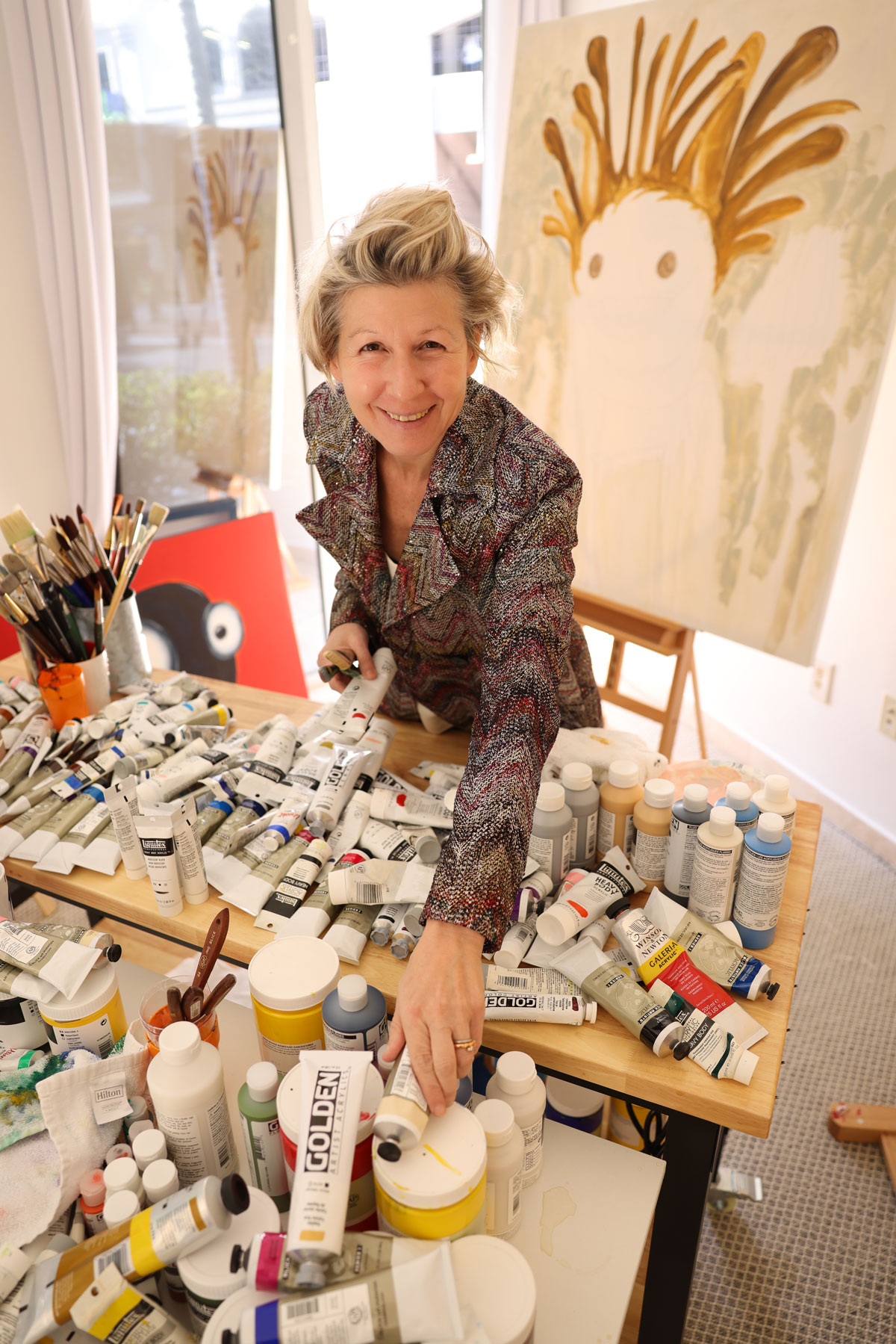
In the U.S., Leibovich built a significant career in animation and broadcast media, working in Atlanta during the rise of Cartoon Network and later in Miami with major television networks including MTV and Nickelodeon. At MTV in the early 2000s, she played a central role in reshaping the channel’s visual identity, producing thousands of animated spots annually and operating at the forefront of digital image-making during a formative period for broadcast culture.
Today, as museums and cultural institutions increasingly foreground art’s relationship to technology, Leibovich’s practice reflects a sustained inquiry into what it means to disengage from the screen after having fully inhabited it. Her shift toward painting was catalyzed by a period of serious illness that forced a radical slowing of pace and a return to drawing by hand, reorienting her relationship to time, light, and bodily presence. What began as necessity evolved into a structural redefinition of her practice.
Approaching painting through this inverse trajectory, from early digital mastery to physical mark-making, Leibovich now works primarily with acrylics, pencil, and paint. Her process emphasizes duration, tactility, and natural light, producing works that exist independently of software, interfaces, or electricity. In contrast to the frictionless aesthetics of contemporary digital culture, her work foregrounds hesitation, repetition, and the visible trace of the hand.
Her imagery is populated by idiosyncratic, cartoon-like figures that function as emotional proxies rather than narrative illustrations. Drawing on the visual languages of animation, advertising, and cinema, Leibovich balances humor with vulnerability, allowing these figures to carry psychological weight without sentimentality. The work insists on physical encounter, resisting dematerialization in favor of intimacy and presence.
Having spent decades embedded in digital production, Leibovich’s turn toward materiality raises broader generational questions. As artists who once navigated inaccessible technologies now operate within a culture of limitless digital tools, her practice suggests a recalibration already underway, one that values physical encounter, slowness, and sensory experience not as retreat, but as critical forms of engagement.
This commitment to material presence is reflected in the tempo of her studio practice: deeply detail-oriented and intentionally slow, Leibovich often spends months completing a single painting, resulting in a deliberately limited number of works produced each year.
Leibovich lives and works in Miami, where she continues to develop a body of work that reframes the relationship between technology and the handmade, not through opposition, but through informed distance.
Press Articles
Warning: reading this may cause creativity, courage, and unexpected laughter.
Proceed with curiosity.
Media Inquiries
For all press requests, bookings,
and speaking invitations, please contact:
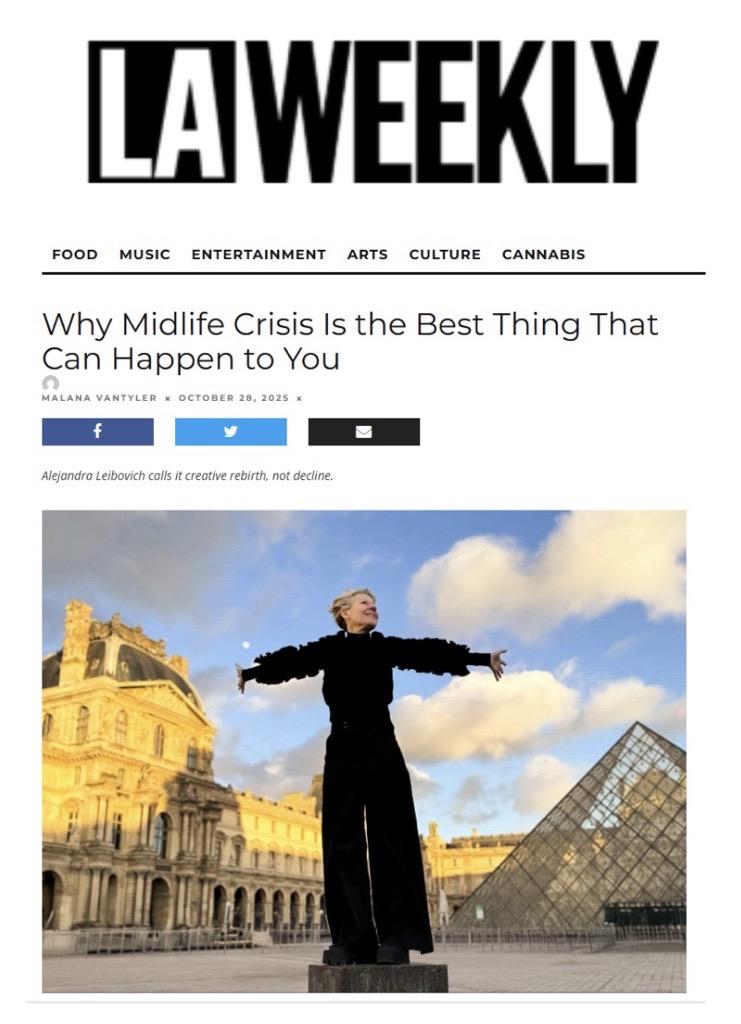
LA Weekly featuring Alejandra Leibovich
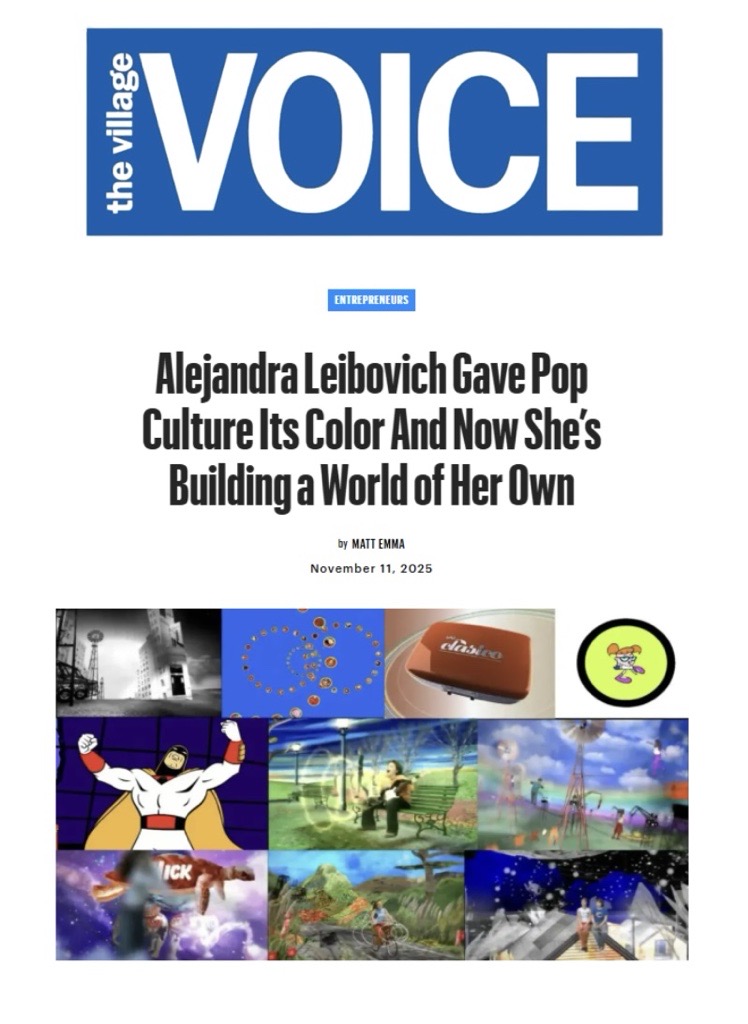
Village Voice featuring Alejandra Leibovich
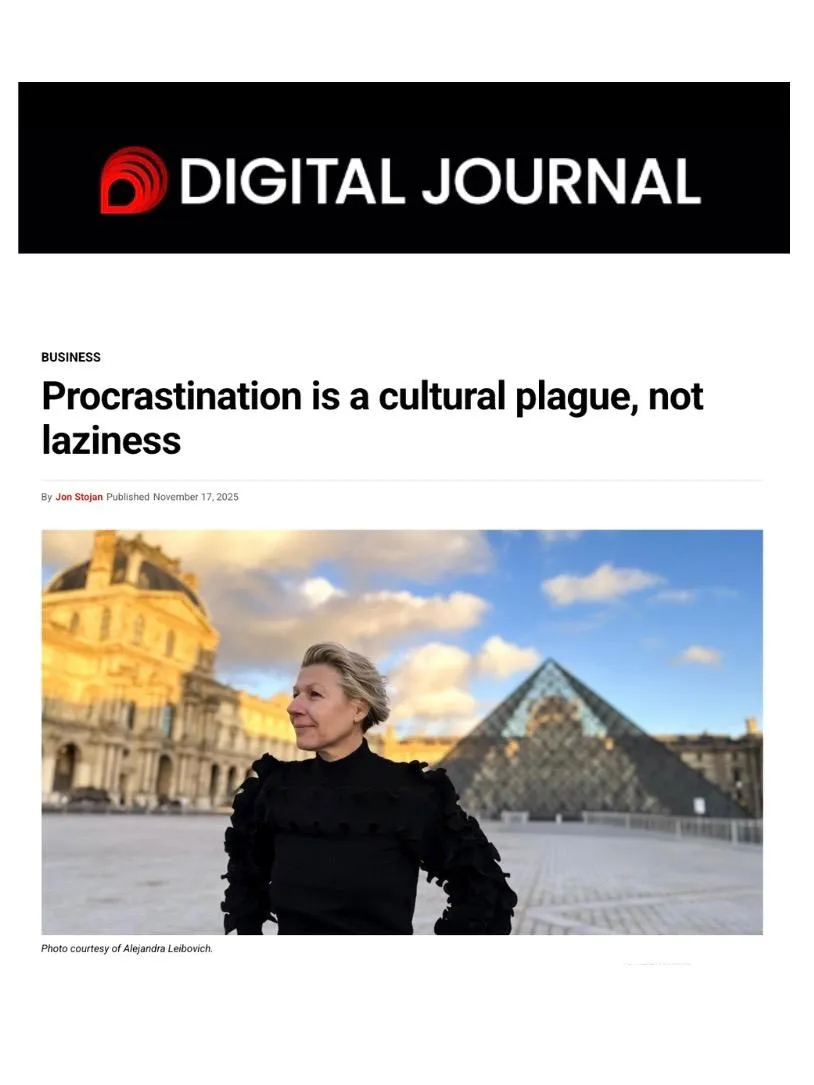
Digital Journal featuring Alejandra Leibovich
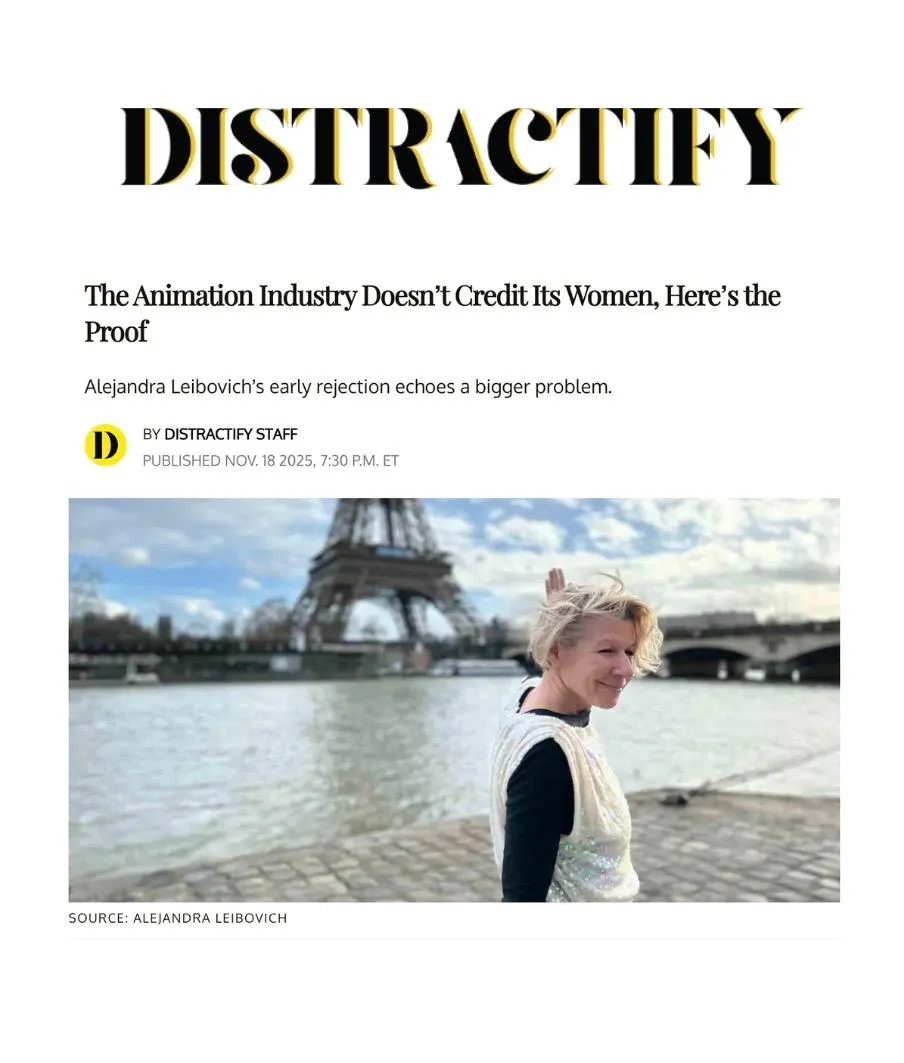
Distractify featuring Alejandra Leibovich
Press Inquiry
© 2026, Alejandra Leibovich
Privacy policy